Genuine tech legend
No memories yet.
OBSOLET. index93 out of 100
Genuine historical products, satirical writing, nothing for sale at OBSOLET.Real devices, satirical writing — nothing for sale.
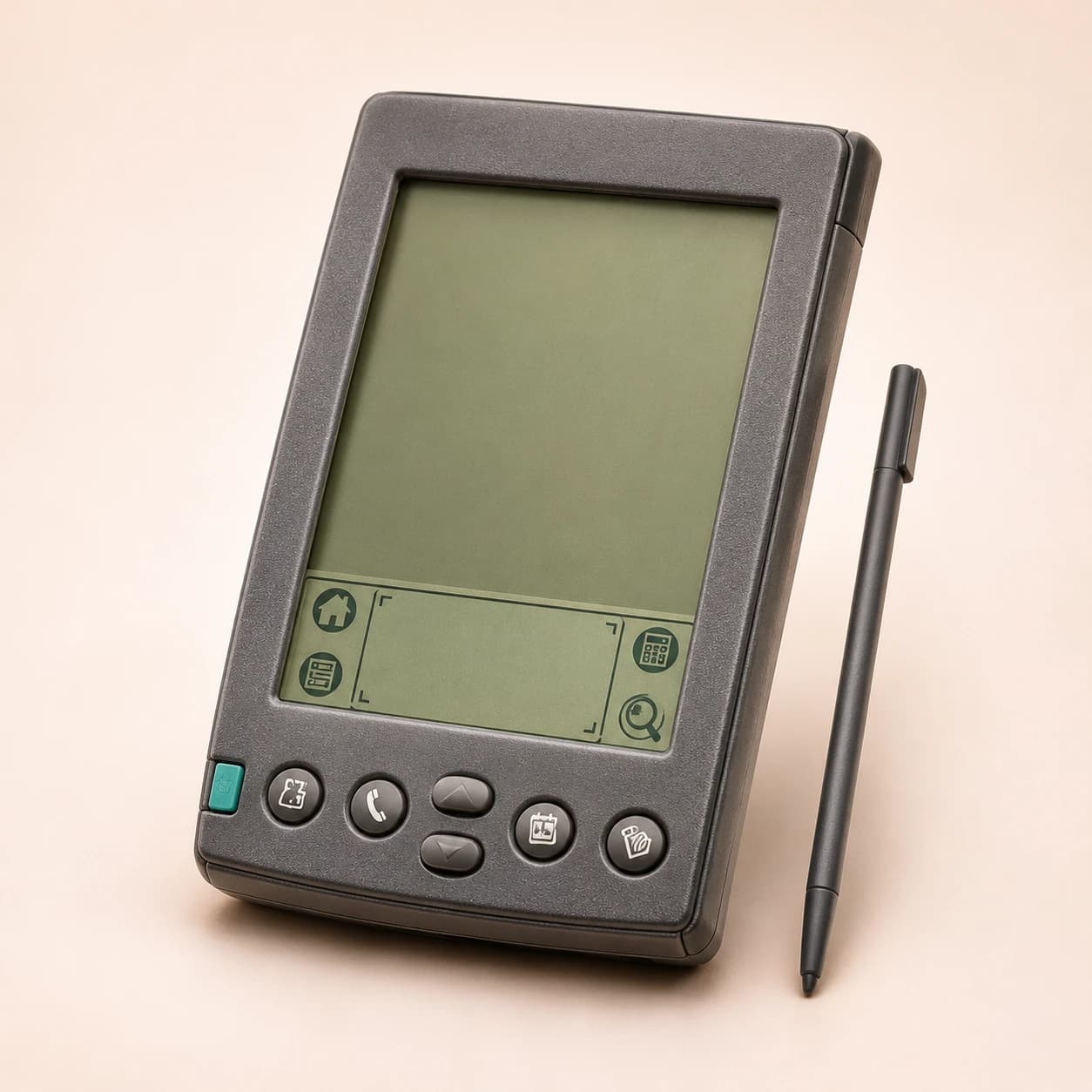
The depiction follows references and may differ in detail.
A calendar that remembers appointments without Wi-Fi.
This device really existed. Maker, year and technical details are documented — only the price and the availability are invented.
Documented via: computinghistory.org.uk
A catalogue entry, not an offer. This device is not for sale here. What can be documented is next to it: the original price of the day with its source, and what that buys today. Anyone actually looking for the device will find real partner offers further down — where there are any.
Calendar, contacts, notes and tasks have moved entirely onto the telephone, synchronised over the network.
A pocket computer that could do nothing it was not meant to do — and redefined handwriting in the process.
Input went through Graffiti: a simplified alphabet drawn with a stylus inside a marked area. The device did not learn your handwriting — you adopted its. This sounds backwards, and it is exactly why the recognition actually worked.
A single megabyte held appointments, addresses, tasks and notes. That was the difference from the Personal sold alongside it with its 512 kilobytes; the Professional edition also brought a TCP/IP stack and a mail application. This memory was volatile and depended on two AAA cells — a device, in other words, whose entire contents rest on buying batteries in good time.
The device went into a cradle on the desk, you pressed a button, and the sync ran in both directions. If the same entry had been changed on both sides, HotSync did not decide: it kept both versions and filed them twice. Resolving the conflict was left to the human — inelegant, with the merit that nothing is lost.
The screen was small and monochrome: 160 × 160 pixels for text and simple shapes. There was a backlight, and it was the new thing about this generation of devices — an electroluminescent film that lifted the image towards green rather than genuinely lighting it. For a calendar that was entirely sufficient, which raises the question of what a calendar has needed all the extra capability for since.
Replaced by every telephone. What stays with you is that syncing used to be a deliberate act rather than a condition you permanently live in.
An editorial assessment, not a documented fact. The sections above carry the evidence.
Calendar, contacts, notes and tasks have moved entirely onto the telephone, synchronised over the network.
The PalmPilot's synchronisation depended on a cradle, a cable and a computer with the right port — all three have vanished from current desks.
Keeping a calendar that tells nobody. The device has no network, so nothing leaves it.
An editorial assessment, not a measurement: how completely has this device’s job been taken over by something else?
An editorial comparison: which job was taken over, and what falls away with it.
Editorial assessment. No paid placement, no partner link, no price comparison.
Two devices, one decision, no winner
| Specifications | ||
|---|---|---|
| 97 out of 100 | OBSOLET. index | 98 out of 100 |
| 1997 | Year | 1997 |
| No longer available | Availability | No longer available |
| 3Com / Palm | Brand | Sony |
What someone wants to know when picking the device up today. The answers are dry, but not invented.
Because you clearly have taste
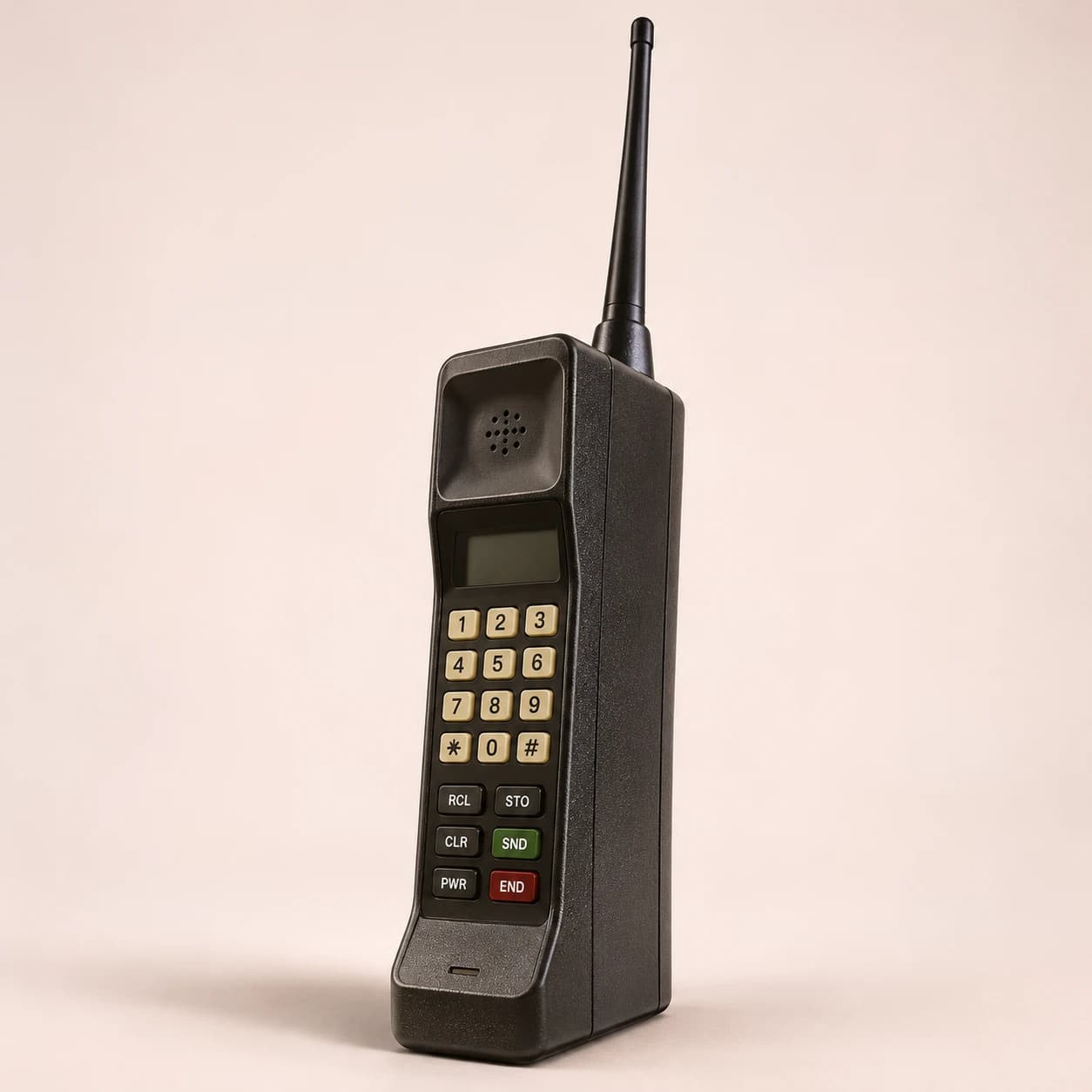
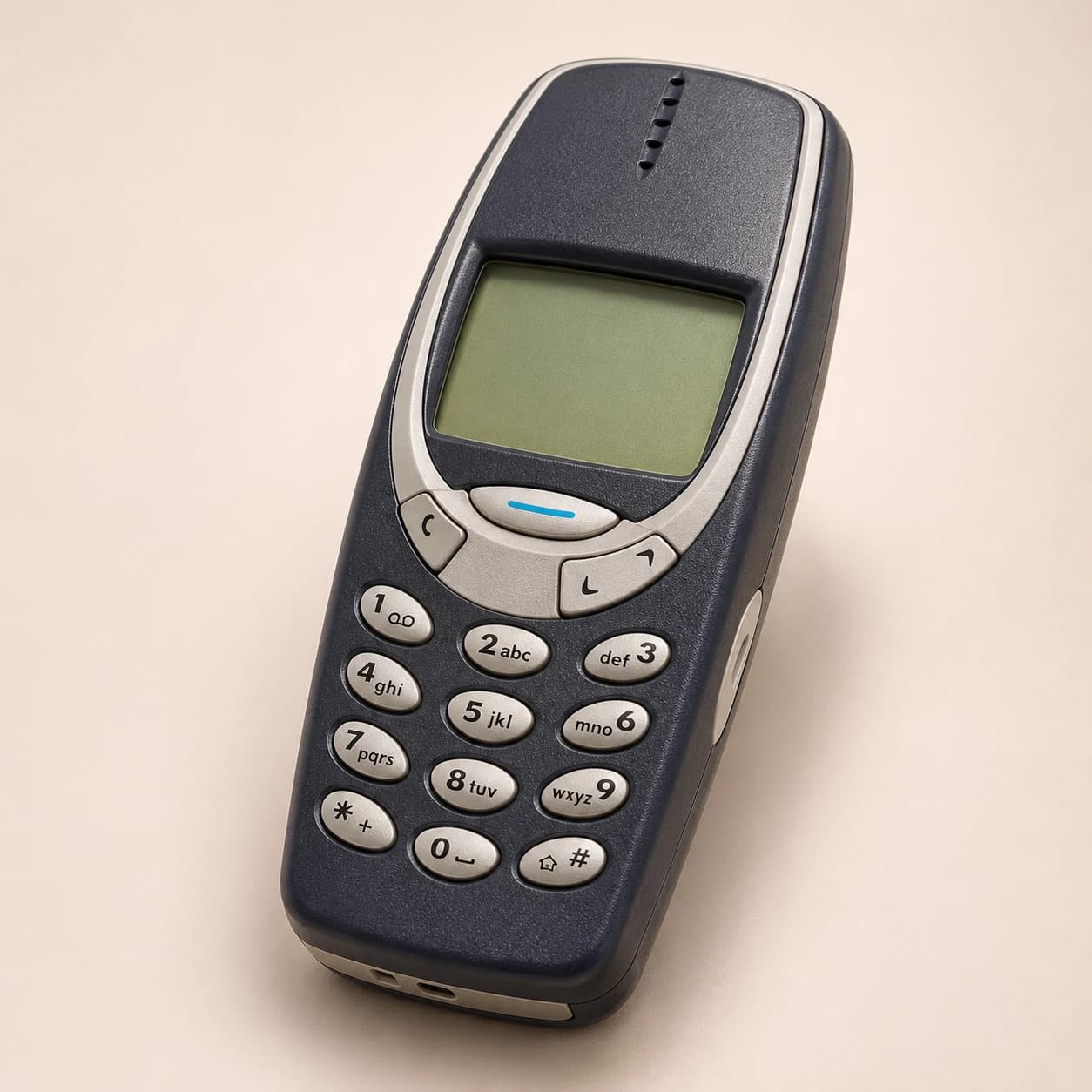
Documented via: Wikipedia (englisch), Artikel „PalmPilot Professional“
Caveat: Taken from a secondary source. No contemporary primary document for this figure.
Note: Presented on 10 March 1997; the Professional version with 1 MB at 399 dollars, the Personal version with 512 KB at 299 dollars. General availability of the Professional was delayed according to the source, so the amount is an announcement price. No purchasing-power equivalent is shown for this dollar amount.
No purchasing-power equivalent: A price for the US market. The German consumer price index does not apply to it, and the index for that country is not available here.
The purchasing-power equivalent states what sum would carry the same general purchasing power today. It is not a current market price, not a retail price and not a collector's value.
Current listings from external marketplaces. OBSOLET. sells none of them — every link goes to the respective seller.
No matching listing found right now. The technology is evidently ahead of its time again.
Checked at 23/11/2026, 20:09. As soon as something appears, it will be here.
We do not search Kleinanzeigen automatically — but you can set up a saved search there yourself.
No memories yet.
Be the first.
Browsing listings needs no account. An alert keeps running on the server while you are away — that is what needs a sign-in.
Sign in